
In this episode of the Mix & Matchbox podcast, host Brent Feldman engages in a thought-provoking conversation with Charlie Grinnell, Co-CEO of RightMetric. They delve into the importance of understanding audience signals and how marketers can break free from the confines of data dashboards to truly connect with consumers.
This blog post will explore the key insights shared during the episode, providing actionable strategies for marketers, especially in the banking sector, to leverage audience signals effectively.
Charlie Grinnell’s Unconventional Path to Marketing
Charlie’s journey into marketing was anything but traditional. Starting as a video producer for extreme sports athletes, he transitioned into significant roles at iconic brands like Red Bull, Aritzia, and Arc’teryx. His experiences have shaped his understanding of marketing, leading to an important realization: marketers need to adopt a different lens—one built on signals and curiosity.
Charlie’s “Aha” moment came during his time at Arc’teryx when a two-week video edit garnered only 200 views. This experience kick started his obsession with understanding how people consume content. He realized that the metrics provided by dashboards often fail to capture the real-world signals that drive consumer behavior.
Utilizing External Resources for Audience Insights
In the podcast, Charlie emphasizes that while data is abundant, true insight comes from observing trends outside of a brand’s internal metrics. He encourages marketers to explore external platforms such as Reddit threads, TikTok rants and niche forums.
By tapping into these sources, marketers can gain a deeper understanding of consumer sentiment and behavior, allowing them to make informed decisions that resonate with their audience.
The Importance of External Audience Signals for Banks
Trust is paramount in the banking sector, and Charlie discusses how financial institutions can use external audience signals to prevent trust erosion before it escalates into a crisis. By monitoring conversations on platforms like Reddit and TikTok, banks can identify potential issues and address them proactively.
AI as a Strategic Sparring Partner
Charlie also advocates for using AI tools, such as ChatGPT, as strategic sparring partners in the marketing process. By employing AI for research, summarization, and idea testing, marketers can navigate compliance risks while enhancing their decision-making capabilities. This approach allows for a more nuanced understanding of audience needs and preferences.

Mapping Platform, Content, and Audience Gaps
Identifying white space opportunities is crucial for brands looking to differentiate themselves in a crowded marketplace. Charlie suggests that marketers should:
- Analyze platform usage to understand where their audience spends time.
- Examine content performance across different channels.
- Identify gaps in audience engagement and content delivery.
By mapping these elements, brands can uncover growth opportunities and tailor their strategies accordingly.
The Organic Social Experiment
One of the most compelling insights from the podcast is the idea of using organic social media as a “petri dish” for rapid prototyping. Charlie suggests that brands should flood their organic social channels with diverse content and monitor performance. This approach allows marketers to:
- Identify high-performing content quickly.
- Allocate budget to successful posts for paid promotion.
- Repurpose successful content across other digital channels.
By leveraging organic social as a testing ground, brands can enhance their content velocity while ensuring quality through data-driven insights.
Addressing Privacy Concerns
In an age where privacy concerns are crucial, Charlie emphasizes the importance of ethical audience investigation, particularly for an industry as trust-sensitive as banking. Listening to external signals doesn’t mean surveilling individual consumers; it means reading the broader patterns in how people talk, search, and behave.
For Charlie, the line between smart marketing and invasive marketing comes down to intent and method. Marketers should focus on:
- Collecting anonymized and aggregated data rather than tracking individuals.
- Understanding audience behavior without infringing on privacy.
- Creating personalized experiences that resonate with consumers.
Why This Matters for Banks
For financial institutions, this distinction carries extra weight. Banks already operate under heavy scrutiny around data handling, and customers are understandably guarded about how their financial information is used.
Charlie’s approach offers a way to stay close to audience behavior without crossing into territory that could feel invasive or violate the regulatory guardrails banks operate within. Watching a public Reddit thread about mortgage anxiety or a TikTok trend around budgeting apps, for example, reveals the true feelings of their audience without touching a single customer record.
By striking this balance, banks can foster trust and loyalty among their audience while still delivering relevant, personalized content. In a sector where a single misstep on data handling can do lasting reputational damage, treating privacy as a design principle rather than an afterthought is a competitive advantage.

The “Jobs-to-be-Done” Framework
Charlie highlights the significance of the “jobs-to-be-done” framework in understanding customer motivations. Rather than asking who the customer is demographically, the framework asks a more useful question: what “job” is the customer hiring this product or service to do?
That reframing shifts the conversation away from generic segmentation and toward the actual moments driving a customer’s decisions. By analyzing audience signals, marketers can identify:
- Factors that drive loyalty and retention.
- Common pain points leading to customer churn.
In banking specifically, the “job” a customer is hiring a financial product for is rarely just “manage my money.” It might be “help me feel less anxious about an unexpected expense,” or “make me feel like a competent adult when it comes to saving for a home.”
Charlie’s point is that dashboards tend to capture the behavior, like an account closure or a support ticket, but miss the underlying motivation that caused it.
Embracing Content Experimentation
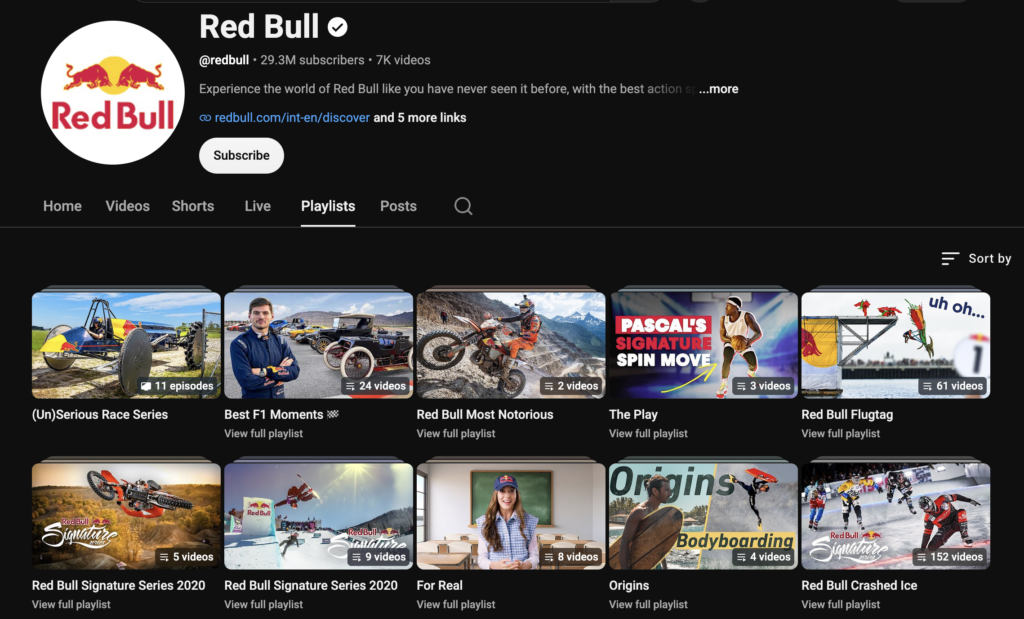
To succeed in today’s fast-paced marketing landscape, brands must adopt a rapid prototyping mindset. Charlie shares insights from his experience at Red Bull, where content wasn’t treated as a single, precious asset but as a series of testable variations.
A single video might be paired with several different thumbnails, headlines, or opening seconds, each treated as its own experiment. This mirrors the “petri dish” approach to organic social discussed earlier in the episode: volume and variation create the raw data needed to find what resonates, rather than relying on internal assumptions about what should work.
The Thumbnail-Team Mindset
One of the more specific tactics Charlie points to is utilizing dedicated teams for specific tasks, such as thumbnail creation. A small, focused team would rapidly generate and test dozens of thumbnail options. Even small creative decisions like this can meaningfully shift click-through and engagement.
Applying This Mindset to Banking
For banks, this mindset can feel like a cultural shift. Financial marketing has historically favored caution and a small number of heavily vetted assets, but the same logic applies. A bank could test several versions of a headline for a savings account campaign, or run multiple creative treatments of an educational video on organic social before investing in paid promotion. This approach enables brands to stay agile and responsive to audience preferences, ultimately driving better results, without sacrificing the compliance rigor banking marketing requires.
Flooding the Zone
Finally, Charlie encourages marketers to embrace content experimentation by flooding the zone with diverse content. He notes that while 98% of content may underperform, the 2% that excels can significantly impact ROI. By adopting this mindset, brands can:
- Encourage creativity and innovation within their teams.
- Identify high-performing content that resonates with their audience.
- Drive growth through data-driven decision-making.
Final Thoughts
As the marketing landscape continues to evolve, staying attuned to audience signals will be crucial for success. By adopting the strategies discussed in this podcast episode, marketers can navigate the complexities of consumer behavior and create meaningful connections with their audience.
If you’re interested in learning more about Charlie Grinnell and RightMetric, you can connect with him on LinkedIn. His insights into audience signals and marketing strategies are invaluable for anyone looking to enhance their marketing efforts.
Never Miss an Episode
Get more insights on design, marketing, and all things digital. Subscribe to our Mix & Matchbox YouTube channel and join the conversation.
Want to Be Featured?
We love connecting with fellow creatives, marketers, and industry pros. If you’d like to share your story or expertise on the Mix & Matchbox podcast, let’s chat.