
Estimated reading time: 11 minutes
Great web design hugely depends on aesthetics. After all, consumers want to interact with content that looks and performs well on the devices they’re using. However, aesthetic appeal alone is insufficient to win over customers.
TL;DR: Beyond Aesthetics
Great web design goes far beyond visual appeal. While aesthetics shape first impressions, trust, clarity, and credibility are what ultimately influence brand perception and conversion. Strategic layout, user-centric clarity, emotional visual branding, and credibility-focused design elements all play a crucial role in shaping how users perceive your brand and whether they choose to do business with you.
 Source: depositphotos.com
The reason for this is simple. The role of websites in digital marketing isn’t just to look attractive enough to attract leads. Your online presence also has to exude trust and credibility — especially in a world where 88% of consumers consider brand trust to be one of their top three purchase-influencing factors.
Related Links: Beyond Aesthetics
So, if you’re looking to shape brand perception and earn your target audience’s trust, here’s how web design can help beyond making your website look good.
How Web Users Judge Websites (And Brands)
Visual appeal is far from being the most important thing about your online presence. Nevertheless, it does have its role in shaping brand perception. This is primarily due to how people see and judge websites.
According to scientific research, consumers form brand impressions within 50 milliseconds of landing on a website. 94% of these impressions are design-related. Furthermore, these initial reactions directly influence how trustworthy your website appears and how prepared consumers are to purchase from your business.
In other words, investing in a beautiful, well-performing website pays off. And if you hire the right design agency, you can ensure that your online presence isn’t just pretty but functional as well, allowing you to optimize your sales funnel and convert more customers.
Nevertheless, that doesn’t mean that aesthetics alone will be sufficient to earn your target audience’s confidence (and business). Your website also needs to be user-centric and effective at communicating value. Most importantly, it has to position your business as a competent entity capable of removing customer pain points.
Read on to learn how web design influences brand perception and how you can adopt specific tactics to boost your visitors’ willingness to buy from your business.
Page Layout Directly Affects What Web Visitors Notice
Let’s start off with one of the most commonly overlooked aspects of web design.
How you arrange the content on your web pages directly influences how web visitors see and interact with your website messaging.
Web user behavior research clearly indicates that some areas of a web page receive far more attention than others (such as the first two screenfuls of your homepage, where visitors spend 74% of their total browsing time). And there’s even research suggesting that web users don’t read content word-for-word, choosing, instead, to scan pages according to a few popular reading patterns.
So, to ensure that your website has the capacity to build customer confidence, you need to know what areas of your homepage you can use to earn customer trust.
For starters, optimizing the first two screenfuls of your webpages is an excellent first step toward ensuring that your prospects notice your value propositions. But even within those first two screenfuls, there are areas that attract visitor attention more effectively than others.
Your homepage’s hero section, for instance, is one of the most important parts of your entire website, seeing that it’s the first thing potential customers look at when exploring your content. With this in mind, optimize this aspect of web design to help you achieve your branding and conversion goals.
If, for example, you’re trying to shape brand perception and earn your target audience’s trust, dedicate the most prominent area of your homepage to showcasing credibility-building content.
For instance,Uproas understands how important trustworthiness is to its audience. That’s why it uses the top section of its homepage to highlight social proof elements, such as the company’s star ratings and the logos of its most successful clients.
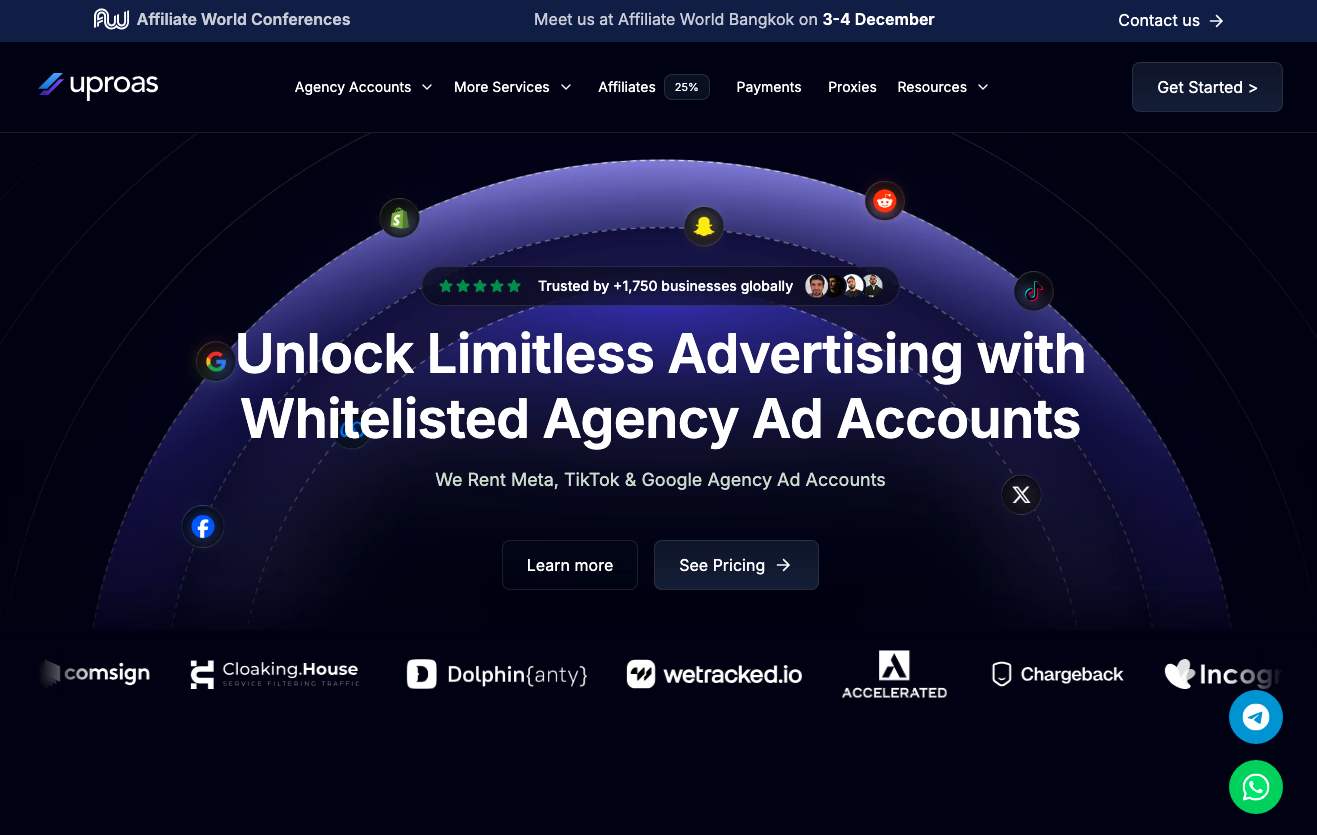
Source:uproas.io
Or, if you offer a complex solution that has many different applications and benefits, try to organize your web content in a way that will be easy for your target audience to scan (and make them more likely to perceive your offer as valuable and your brand as a competent entity).
Check out how Billtrust does it. Knowing that it offers several unique benefits to its users, this brand arranges its homepage content in a lawnmower pattern. This layout strategy allows web visitors to easily notice each product feature. Moreover, it effectively guides user attention toward the next important feature, helping the brand’s potential customers perceive the product as relevant to their needs (and capable of removing their pain points).
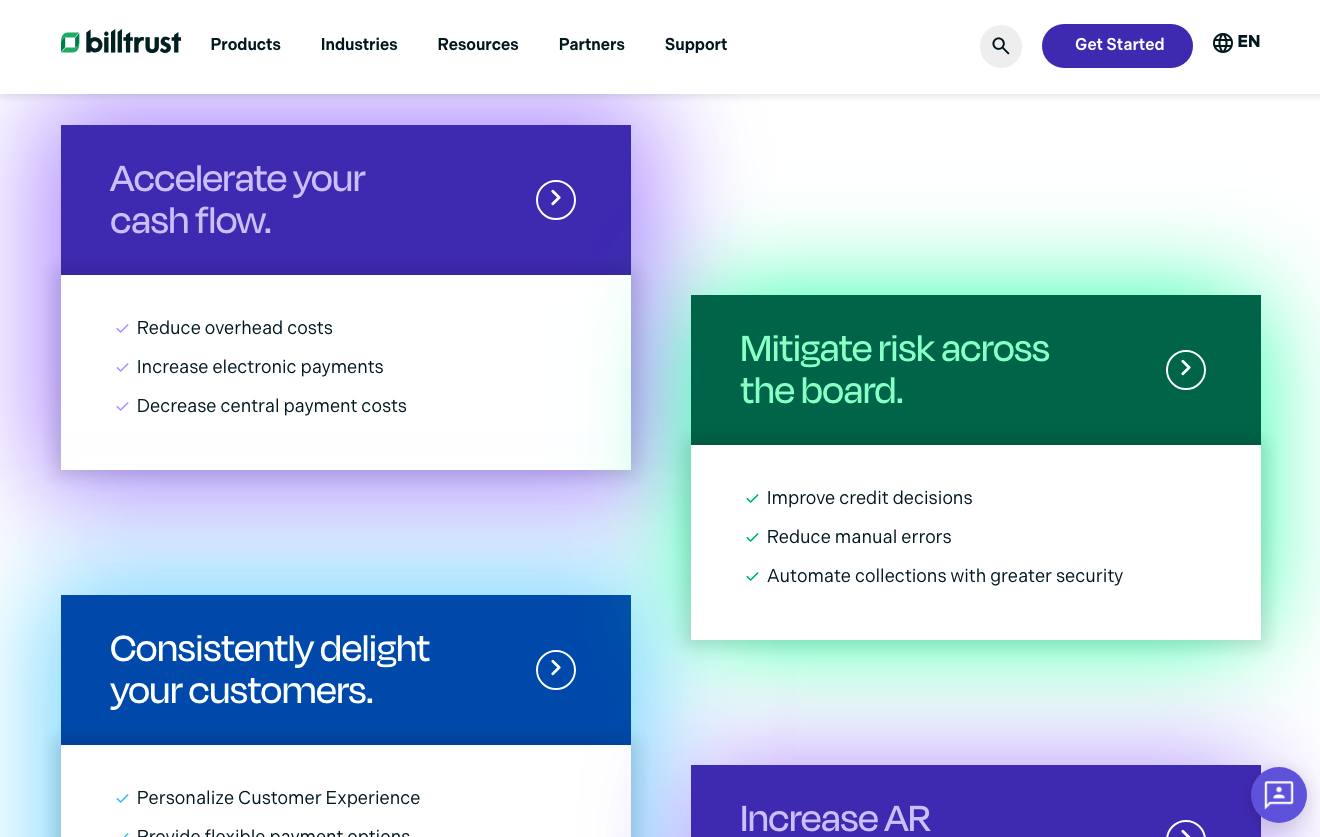
Source:billtrust.com
Good Web Design Creates Clarity — Even For Complex Solutions
When it comes to optimizing your website for conversions (or just shaping brand perception), you have to explore ways to boost product understanding.
Sure, your offer may not be at the forefront of your strategy when trying to earn customer trust. Nevertheless, consumer behavior research clearly demonstrates that alignment between consumer wants and product value is key for driving business results.
In fact, Salsify’s latest report discovered that 69% of shoppers prioritize product quality and value when making buying decisions.
So, if you want to position your business as an industry expert capable of handling customer pain points, it might be necessary to invest in content that’ll communicate user-centric value in a way that’s easy to comprehend.
By utilizing simple design strategies to create clarity, you can help your prospects understand the benefits of investing in your products or services. And it may even help manage customer expectations, deterring buyers who are a poor match for your solution (which avoids unnecessary harm to your reputation that often happens due to poor customer experience).
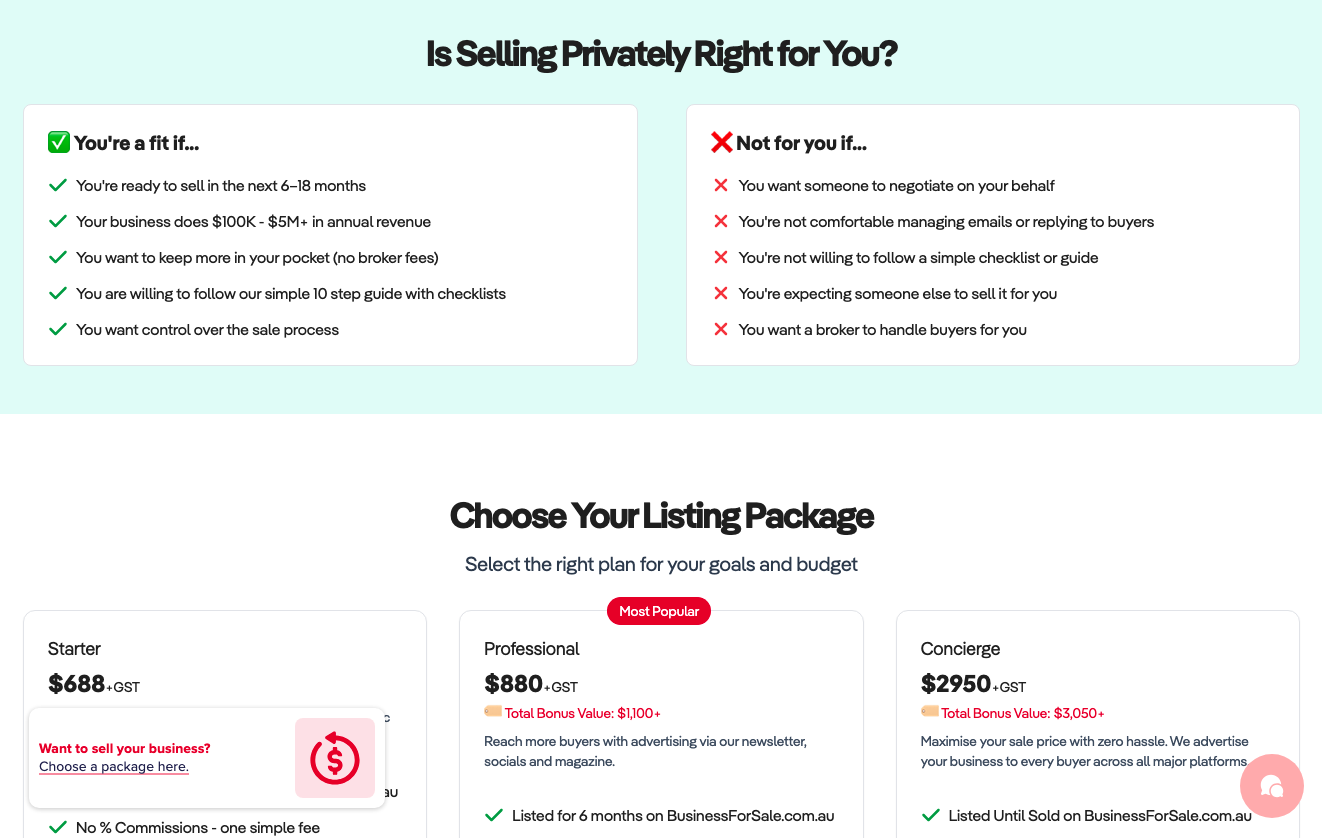
Check out how Business for Sale implements this design tactic on the Sell a Business page. This brand understands that its solution offers the highest value to a specific type of customer. So, to ensure that prospects understand what they will (or won’t) get, Business for Sale created a simple table to help visitors evaluate whether it’s the right choice for their needs.
Source:businessforsale.com.au
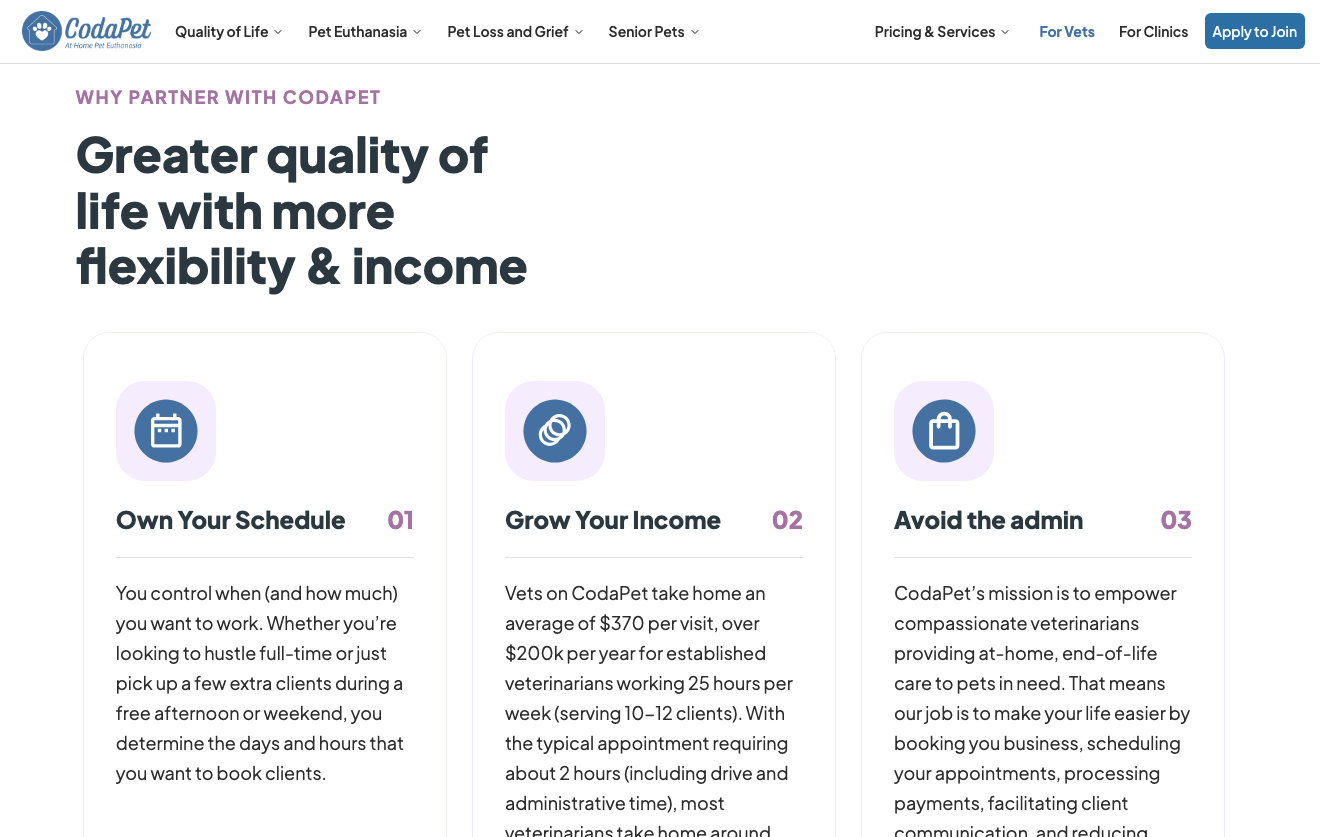
Alternatively, if you sell a slightly more complex product or service, you could take inspiration from CodaPet’s Veterinarian page. This business understands that its solution is innovative and unique in the pet healthcare industry. So, it breaks down its offer into three prominent elements, helping potential clients understand not just how the system works but what benefits they stand to gain by signing up.
Source:codapet.com
Visual Branding Design Tactics Can Build Or Break Customer Connection
The typical buyer’s journey consists of several long phases during which consumers explore and evaluate potential solutions to their pain points. Yet, while buyers do conduct plenty of research before committing to a purchase, the buying process is not always logical.
According to research, the majority of consumers’ purchase decisions are based on emotions. And there’s even evidence suggesting that brand connection and nostalgia directly drive sales and customer loyalty.
That’s why it’s essential that your website is capable of building connections with your customers. Fortunately, you can achieve this quite easily by employing the right design tactics.
For starters, color psychology and typography both affect brand and product perception. And if you supplement them with visual content — such as imagery or video — you can go even further in positioning your business as the type of entity your audience wants to buy from.
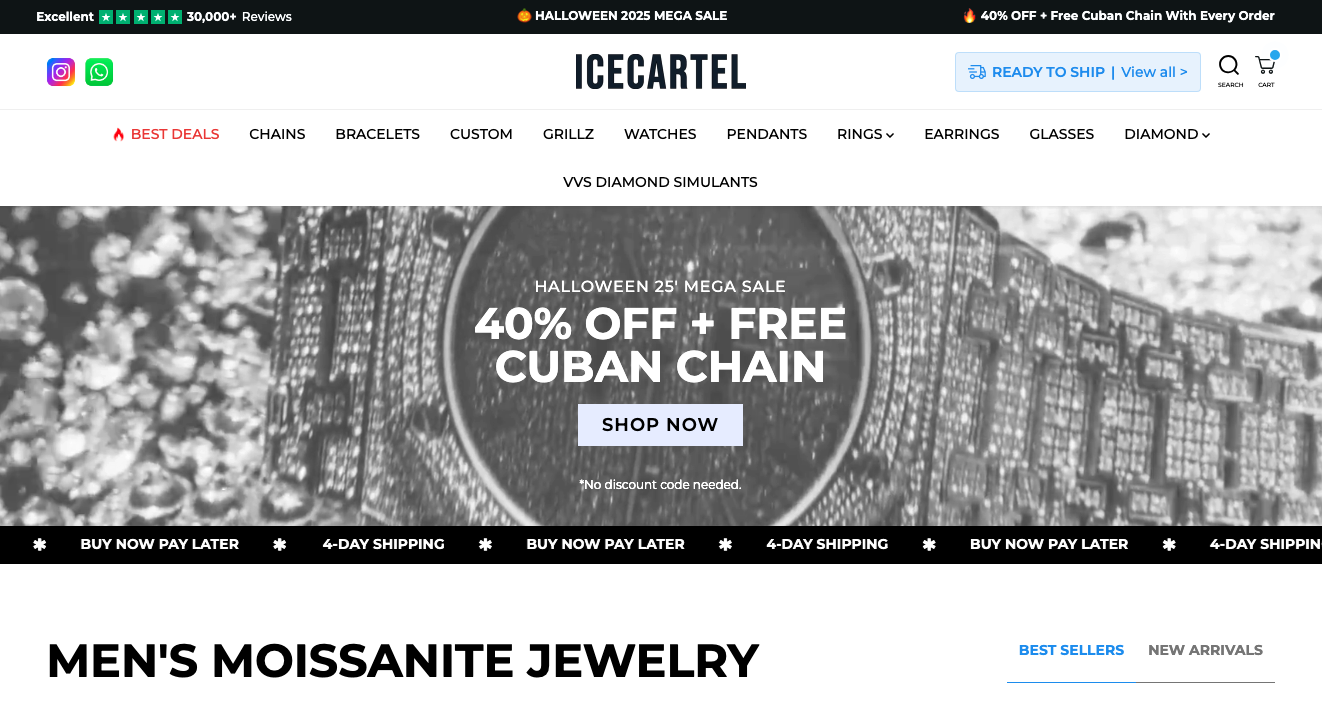
Check out how Icecartel does it. Knowing that its target audience isn’t just after specific products but a lifestyle as well, this brand uses a ton of imagery and video to position its offer as luxurious. The outcome of this web design tactic is bigger consumer demand for IceCartel’s jewelry based on aspirational shopping behavior. It’s also reflected in a significant boost to the brand’s reputation as an entity that creates high-quality, stylish pieces anyone would be lucky to own.
Source:icecartel.com
Credibility-Focused Design Tactics Can Supplement Value Propositions
Sometimes, the biggest obstacle preventing your web visitors from converting into clients is that your value propositions sound too good to be true.
Sure, this may sound counterintuitive. Nevertheless, promising tremendous value without supporting your claims instantly harms your brand’s credibility and customer trust.
So, if you want to use web design to shape brand perception in a way that’ll drive conversions and elevate your company’s reputation in your industry, explore opportunities to highlight relevant evidence about the effectiveness of your offer.
For example, instead of just allowing your value propositions to exist in a vacuum, try surrounding them with relevant proof elements that’ll make your claims really resonate with your target audience.
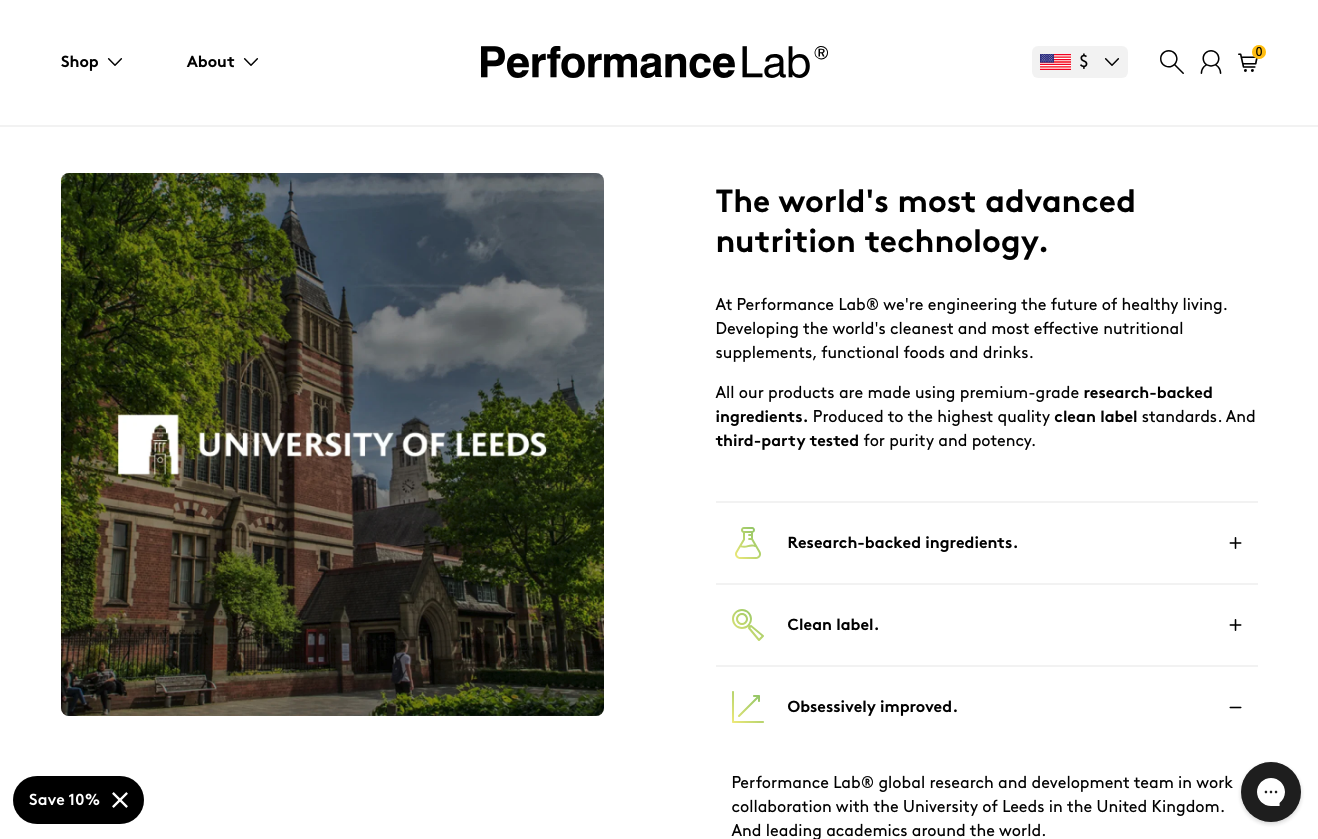
Check out how Performance Lab does this. This brand understands that saying it sells “the world’s most advanced nutrition technology” may sound overly self-assured. To help potential customers see that this truly is the case, PerformanceLab supports this claim with attention-grabbing evidence, including links to third-party certificates, quality assurances, and formulation updates from a development team at a leading university in the UK.
Source: performancelab.com
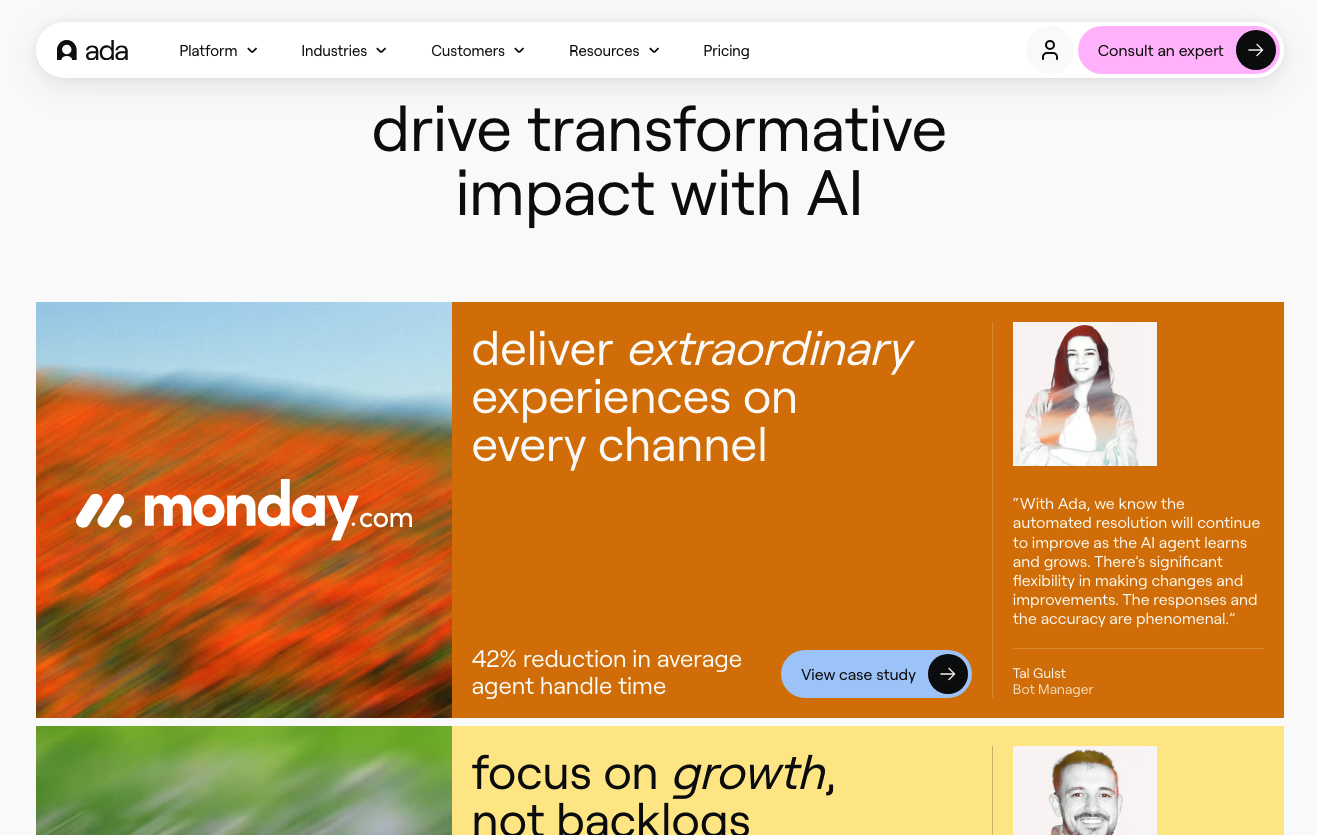
A slightly different approach would be to do something similar to Ada. This business doesn’t just tell web visitors what benefits its product offers. Instead, it uses web design to pair each value proposition with an appropriate case study. The result of this approach is a much higher level of brand (and value proposition) credibility thanks to the smart use of social proof. Ada also manages to combine its sales messaging with bottom-of-the-funnel content that’s exceptionally effective at inspiring prospects to convert.
Source:ada.cx
Key Takeaways: Beyond Aesthetics
- UX and performance are non-negotiable: Even the best design fails if the site is slow, broken, or not mobile-friendly.
- First impressions are design-driven: Users form opinions in milliseconds, and most are influenced by layout and visual structure.
- Above-the-fold content matters most: The hero section is prime real estate for trust-building elements like social proof.
- Clarity builds confidence: Simplifying complex offers through layout, tables, and structured content boosts perceived competence.
- Emotion drives decisions: Visual branding (color, imagery, typography) creates emotional connections that influence buying behavior.
- Proof reduces skepticism: Certifications, case studies, and third-party validation strengthen credibility and trust.
Final Thoughts: Beyond Aesthetics
Even though web design is most commonly connected with appearances, it’s much more than that. In fact, how you present and order webpage content influences your ability to convert customers far more than aesthetic appearance alone. With this in mind, it’s essential that you employ web design in a way that can support your conversion and branding goals.
The tactics outlined in this article are all excellent methods for shaping brand perception and earning your customers’ trust. Of course, you can adapt any of them to your specific needs. But utilizing webpage layout, proof, and content to create clarity, communicate expertise, and remove common conversion obstacles is a great way to reach your goals.
Of course, don’t forget that user experience design also affects website performance and brand perception. So don’t forget to pay attention to your site’s technical side. At the end of the day, all the design in the world won’t help you build brand confidence if your site has slow load times, doesn’t display well on mobile devices, or is full of frustrating error messages preventing your prospects from finding what they need.
FAQ: Beyond Aesthetics
How does web design influence brand trust?
Web design impacts how credible, professional, and reliable a brand appears. Clear layouts, social proof, and usability all signal trustworthiness.
Is visual design more important than content?
No. Visual design supports content, but clarity, relevance, and proof are what make content persuasive.
What design elements build credibility fastest?
Social proof (reviews, logos), certifications, case studies, and clear value propositions placed prominently.
Can good design increase conversions?
Yes. Strategic design guides attention, reduces friction, and aligns user needs with your value proposition.